
What To Eat and What To Avoid for a Skin-Friendly Diet
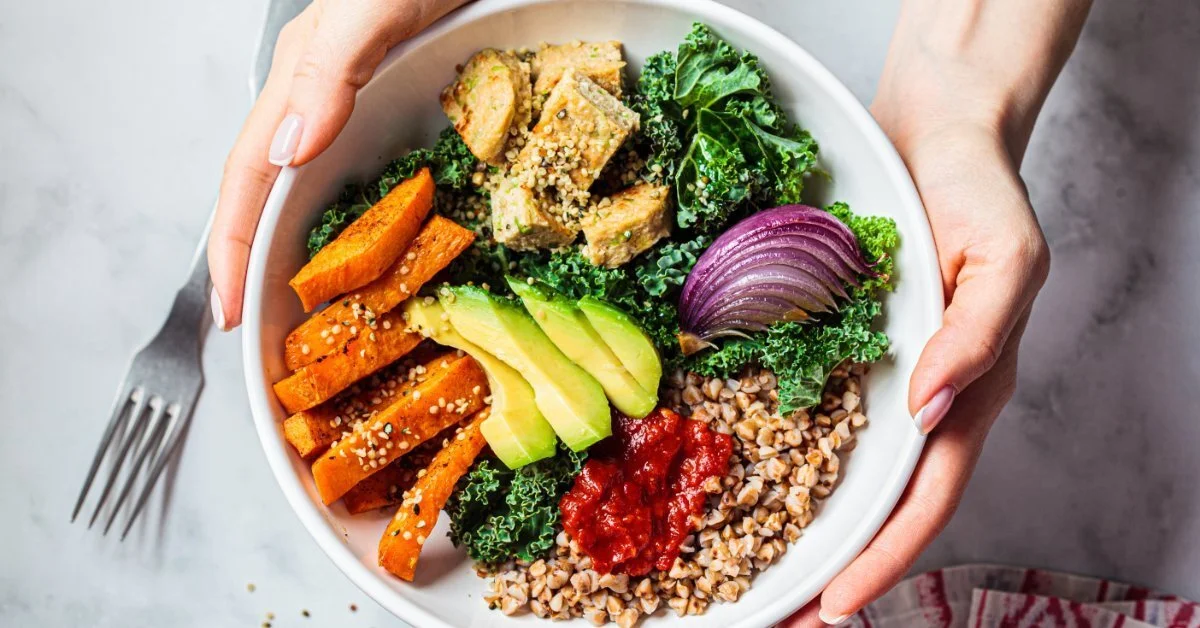
A bathroom shelf crowded with serums may look impressive, but skincare does not stop at the jawline. What lands on your plate can influence hydration, inflammation, oil production, and the nutrients available for normal skin repair. No single food guarantees a flawless complexion, but everyday eating patterns still matter. Keep reading to understand what to eat and what to avoid for a skin-friendly diet.
Why Diet is Important in Skincare
Too many people think skincare starts and stops with what they put on their skin. If topical skincare products are not working, healing from within is the better route to holistic skin health. Topical products can support the skin’s surface, but they cannot replace the nutrients, hydration, and energy the body uses to maintain healthy tissue.
Eating well also supports sleep, digestion, and general well-being, all of which can affect how the skin looks and feels. You shouldn’t abandon a sensible topical skincare routine, but your diet should be a pillar of your skincare regimen for healthy, beautiful-looking skin.
Eat More Colorful Fruits and Vegetables
Berries, leafy greens, tomatoes, bell peppers, carrots, and citrus fruits provide vitamins and plant compounds that help the body manage oxidative stress. Vitamin C also supports normal collagen production, making produce a more convincing beauty investment than another impulsive checkout-line mask.
For example, pumpkin is an unassuming superfood that’s more than just pie filling. It contains beta-carotene, which the body can convert into vitamin A. Add pumpkin when you can to your soups, curries, oatmeal, or roasted vegetable dishes for more vitamin C, potassium, and fiber in your diet.
Choose Fats That Actually Bring Something to the Table
Fat is not the villain that old diet culture made it out to be. Foods such as salmon, sardines, walnuts, chia seeds, olive oil, and avocado supply fatty acids that support the skin barrier and help meals feel satisfying.
Variety matters here. Rotate fish, nuts, seeds, and plant oils rather than treating one trendy ingredient as edible skincare. A spoonful of chia cannot rescue a week powered by cocktails and vending-machine dinners.
Build Meals Around Protein and Slower Carbohydrates
Eggs, beans, lentils, tofu, poultry, fish, and Greek yogurt provide protein, which the body uses to maintain and repair tissues. Pair these foods with fiber-rich carbohydrates, including oats, quinoa, brown rice, and whole-grain bread, to create steadier, more substantial meals.
Balanced meals can also help prevent the dramatic energy dips that make sugary snacks look like a personality trait. Aim to combine protein, fiber, and healthy fat at most meals, whether that means eggs with whole-grain toast, lentil soup with olive oil, or salmon with roasted vegetables and brown rice.
Limit Sugar, Ultra-Processed Foods, and Heavy Drinking
We know what to eat for a skin-friendly diet, but what should we avoid? Sugary drinks, sweets, refined snacks, and heavily processed meals can crowd out foods with more useful nutrients. Some people also notice that high-glycemic eating patterns appear alongside more breakouts, although individual responses vary.
Alcohol can contribute to dehydration, disrupt sleep, and make next-day redness look particularly noticeable. Nobody needs to swear off birthday cake or Friday cocktails forever. The smarter move is to make them supporting characters, not the entire cast.
Conclusion
The most useful skin-friendly diet features variety and consistency. Eat more plants, include dependable protein, choose nourishing fats, drink water, and keep dietary drama to a minimum. Your complexion may appreciate the consistency, and your grocery cart will look considerably less chaotic.