
6 Signs You’re Developing Botox Resistance
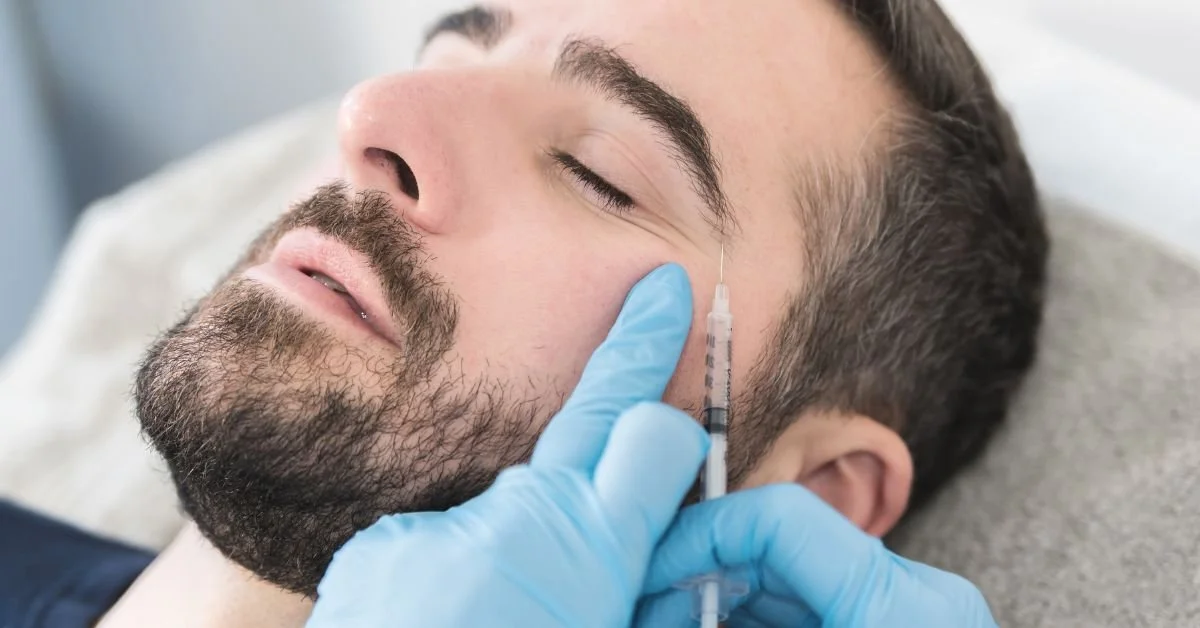
Luxury skincare clients expect consistency from aesthetic treatments. Smooth, refreshed skin should not suddenly disappear weeks earlier than expected. Yet many patients begin noticing subtle shifts after years of injectables.
Botox resistance does not always mean treatments stop working completely. Reduced effectiveness may stem from biological changes, treatment frequency, dosing habits, or lifestyle factors affecting muscle response. Careful observation helps determine whether you’re developing Botox resistance.
Your Results Fade Much Faster
Long-lasting results are one reason Botox remains popular among clients who want to get bang for their buck when choosing cosmetic treatments. Most patients expect effects to remain visible for roughly three to four months.
A noticeable decline after only a few weeks may indicate reduced responsiveness. Muscles can begin regaining movement sooner than expected, especially in heavily treated areas like the forehead or at the corners of the eyes.
Muscle Movement Returns Almost Immediately
Subtle facial movement normally returns gradually. Abrupt reappearance of deep expression lines shortly after injections may suggest the neurotoxin is losing effectiveness.
Certain patients develop antibodies after repeated exposure over many years. Those antibodies can interfere with how the product interacts with targeted muscles.
Higher Doses Are Needed Every Visit
Experienced injectors usually maintain relatively stable dosing patterns. Recognizing a need to increase units significantly at every appointment can signal declining sensitivity.
Patients sometimes assume stronger doses automatically create better outcomes. However, consistency matters more than excess product, especially when your goal is natural-looking refinement.
Previously Effective Areas Stop Responding
Resistance may appear unevenly. Forehead lines could remain controlled while frown lines begin resisting treatment.
Localized changes often create confusion because other areas still respond normally. Keeping records of treatment timelines and visible results can help identify patterns more accurately.
Treatments Feel Less Predictable
Reliable Botox treatments generally follow a familiar rhythm. Results appear within days, peak around two weeks, and slowly fade over months.
Irregular timing may point toward shifting responsiveness. Some appointments produce excellent smoothing, while others barely soften movement despite similar techniques and dosing.
Other Neuromodulators Work Better
Switching brands occasionally restores better results. Some patients respond differently to Dysport, Xeomin, or Jeuveau because formulations vary slightly.
Licensed medical professionals can evaluate whether changing products makes sense based on treatment history, muscle strength, and aesthetic goals. If these alternatives seem to work better, it may indicate a resistance to the prior product.
Are Lifestyle Habits Affecting Your Results?
Not every disappointing outcome reflects true resistance. Environmental stressors, intense exercise schedules, dehydration, and poor aftercare can reduce longevity.
What may look like Botox resistance may actually just stem from small mistakes that are shortening the lifespan of your treatment effects. Avoiding certain choices before and after a Botox treatment can be key to making those results last. For example, patients need to stay hydrated in the time surrounding the treatment. Dehydration can cause the Botox to settle less predictably and wear off sooner in some patients.
Maintaining Elegant, Long-Term Results
Sophisticated aesthetic care requires more than routine appointments. Experienced injectors evaluate facial anatomy, product history, and skin quality before adjusting treatment strategies.
Gradual changes do not always indicate permanent resistance. Strategic spacing between appointments, customized dosing, and thoughtful aftercare often improve outcomes significantly. Patients noticing signs you’re developing Botox resistance should consult qualified professionals before assuming Botox no longer works altogether.