
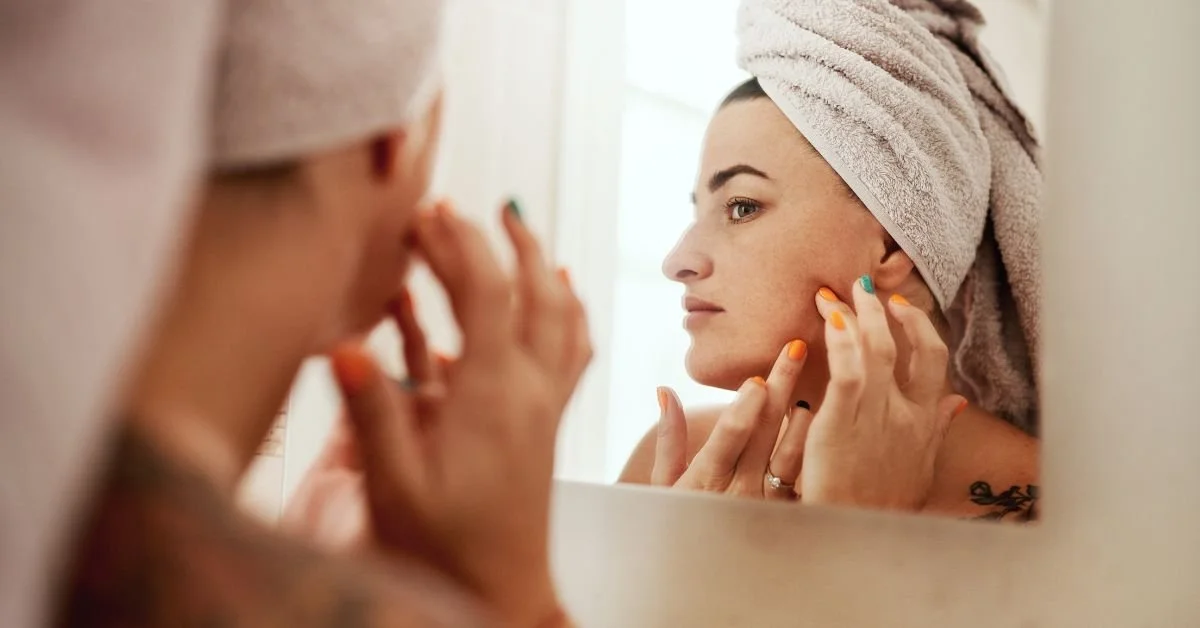
Adult acne hits differently than teenage breakouts. Your hormones aren’t raging from puberty, yet your skin acts like you’re sixteen again. The frustration multiplies when you realize your regular skincare routine isn’t cutting it anymore. Adult acne demands a smarter approach—one that targets the root causes while being gentle enough for mature skin.
You don’t have to accept breakouts as your new normal. With the right combination of treatments, lifestyle tweaks, and professional help, you can reclaim clear skin at any age. Fight back against adult acne with these remedies.
A Closer Look at Adult Acne
Adult acne differs from teenage acne in several ways. While teen acne typically appears across the T-zone, adult breakouts often concentrate along the jawline, chin, and lower face. Hormonal fluctuations drive most adult acne cases—think menstrual cycles, pregnancy, or stress-induced cortisol spikes.
Your skin also produces less oil as you age, making it more sensitive to harsh treatments that worked in your teens. This means you need gentler yet effective solutions that won’t strip your skin’s natural barrier.
Effective Remedies
Salicylic acid becomes your best friend for fighting adult acne. This beta-hydroxy acid penetrates deep into pores, dissolving the buildup that leads to breakouts. Start with a 0.5 percent concentration and gradually increase to two percent as your skin adjusts.
Benzoyl peroxide kills acne-causing bacteria on contact. Use it as a spot treatment rather than all over your face to prevent excessive dryness. A 2.5 percent strength works just as effectively as higher concentrations without the irritation.
Retinoids accelerate cell turnover and prevent clogged pores. Try an over-the-counter retinol product before going the prescription-strength route. You should apply any retinoids at night and always follow up with sunscreen during the day. Azelaic acid is another option worth knowing, especially if breakouts tend to leave dark marks behind. Our guide to choosing an azelaic acid serum covers what it can and can't do.
Red light therapy for acne offers a noninvasive treatment option that reduces inflammation and kills bacteria. LED devices designed for home use provide convenient daily treatments without the harsh side effects of topical medications.
Lifestyle Adjustments
Your pillowcase harbors bacteria and oil that transfer to your skin nightly. Change pillowcases every two to three days, or flip them over for a fresh surface each night.
Stress triggers cortisol production, which increases oil production and inflammation. Find stress management techniques that work for you—whether that’s meditation, exercise, or simply getting adequate sleep.
Your diet affects your skin more than you might realize. Dairy and high-glycemic foods can worsen acne for some people. Try eliminating these foods for four to six weeks to see if your skin improves.
Your phone screen collects bacteria throughout the day. Clean it with alcohol wipes regularly, and try to avoid pressing it directly against your face during calls.
Professional Treatments
Dermatologists offer several advanced treatments for stubborn adult acne. Chemical peels using glycolic or salicylic acid remove dead skin cells and unclog pores more effectively than at-home products.
For hormonal acne, birth control pills or spironolactone can regulate the hormones driving your breakouts. These treatments require medical supervision but offer significant improvement for many adults.
When Your Topicals Stop Working
Sometimes a routine that used to work simply stops. Topicals mostly treat what's happening at the surface, so they can stall when hormones, stress or diet are driving the breakouts. Skin can also plateau or get irritated after months on the same over-the-counter products.
That's the point to widen the plan. In-office light treatments are a common next step: red light therapy, which calms inflammation, and blue light therapy, which targets acne-causing bacteria. A dermatologist can tell you which suits your skin, or whether a prescription retinoid or hormonal treatment makes more sense.
Food matters too. High-glycemic foods like refined sugar and processed carbs are common culprits, while a diet with omega-3s, antioxidants and gut-friendly foods such as fish, leafy greens, yogurt and kimchi supports calmer skin. Change one thing at a time and give it a few weeks before judging the result.
Incorporating skincare tips for your 30s means focusing on prevention and maintenance rather than just treatment. This includes using gentler cleansers, adding antioxidants to protect against environmental damage, and maintaining consistent routines.
Adult acne requires a different approach than teenage breakouts, but clear skin remains achievable once you commit to fighting back. Combine gentle yet effective topical treatments with smart lifestyle changes and professional guidance when needed. Remember that results take time—most treatments require six to eight weeks to show significant improvement.
Adult Acne FAQ
Why am I breaking out in my 30s or 40s?
Hormonal shifts are the most common driver, which is why adult breakouts cluster along the jawline and chin. Stress, a new product or a change in routine can also set things off.
How long do acne treatments take to work?
Most need six to eight weeks of consistent use before you can judge them, so try not to switch products every few days.
What should I do if over-the-counter products stop working?
See a dermatologist. Prescription retinoids, hormonal options like spironolactone, chemical peels and light therapies all go further than what you can buy off the shelf.