Red Light Therapy for Acne: Things To Know
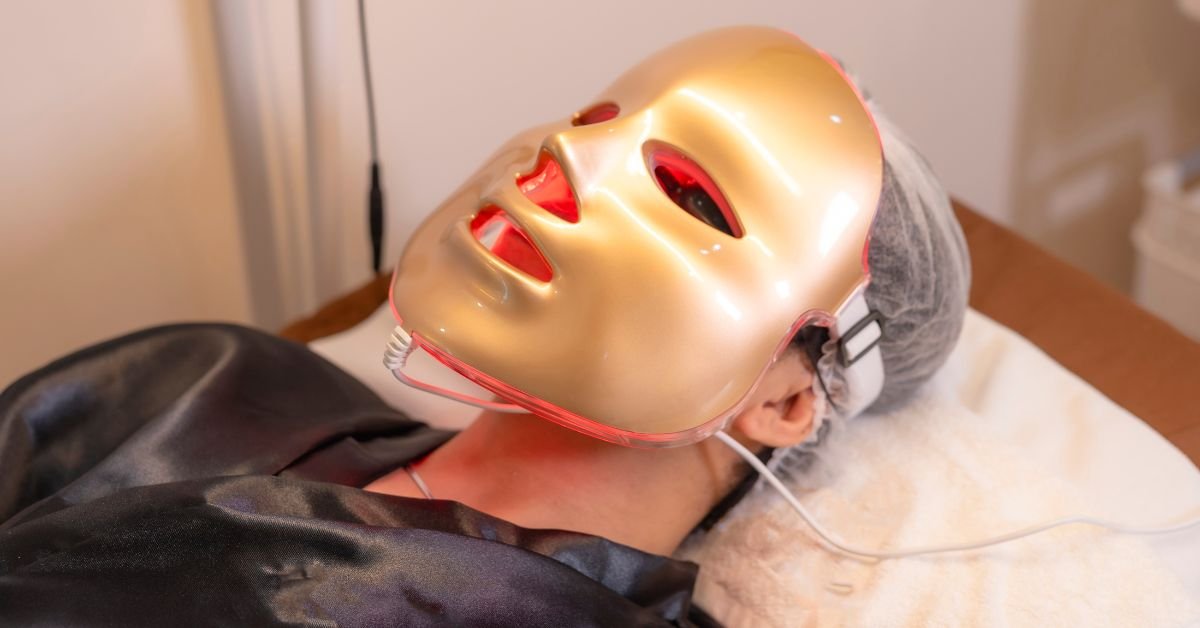
Remember when you thought acne was just a teenage phase? Yeah, us too. Now we’re dealing with taxes, back pain, and still fighting the same breakouts we had in high school. It feels personal. But before you resign yourself to a life of concealer and despair, let’s talk about something that sounds like it belongs in a sci-fi movie but might actually save your skin: red light therapy (RLT).
It’s not magic, even though glowing red lights feel a bit mystical. It’s science. And unlike those harsh scrubs you used in 2008 (we won’t name names, but you know the apricot one), RLT doesn’t try to sand your face off. Here are a few things to know about red light therapy for acne and if it’s time for you to enter your sci-fi skincare era.
So What Even Is It?
Basically, red light therapy involves exposing your skin to low-level wavelengths of red light. No, it’s not the same as a tanning bed—put down the goggles and relax. This light penetrates deep into the skin to calm inflammation and helps cells repair themselves.
Think of your skin cells like tired little workers. Red light acts like their morning coffee, giving them the energy to do their jobs better. When it comes to acne, this means reducing swelling and redness while speeding up healing time. It’s less nuclear option and more gentle encouragement.
Does It Actually Work?
Here is the frustrating answer: usually, yes. But it requires patience, which none of us have when it comes to skin clarity. You can’t just shine a flashlight on a pimple for three seconds and expect it to vanish.
RLT targets the bacteria responsible for acne while soothing the angry, red skin around it. Regular sessions can lead to fewer breakouts and smoother texture. It’s a solid option for people who have tried every cream, gel, and suspicious DIY mask on Pinterest without success.
However, don’t expect it to fix everything else in your life. While some gym bros might swear by a combo of red light therapy and creatine monohydrate for muscle recovery, we are strictly talking about your face right now. Keep your supplements in the shaker bottle and the light on your cheeks.
Gadgets vs. Professional Treatments
You have two choices here: go to a professional or buy a device for home use.
Going to a dermatologist usually means stronger lights and faster results, but it also requires wearing pants and leaving your house. In contrast, at-home devices let you revolutionize your skincare with tech gadgets while binge-watching reality TV in your pajamas.
If you choose the at-home route, look for:
Wavelengths: Make sure it offers red and blue light (blue kills bacteria, red heals).
FDA Clearance: Because frying your face with an unregulated toy is a bad idea.
Consistency: You actually have to use it. A mask collecting dust in your bathroom cabinet won’t clear your pores.
Is It Safe?
Generally, yes. It doesn’t use UV light, so you won’t get a sunburn or increase your cancer risk. It’s noninvasive and painless. You might feel a gentle warmth, but if it burns, stop immediately. You aren’t supposed to cook yourself.
Red light therapy for acne isn’t a miracle cure that will transform you into a supermodel overnight. But if you are tired of harsh chemicals and endless peeling, it’s a worthy contender in the blemish wars. Just remember: consistency is vital. Treat your skin like a plant—give it light, water, and time, and try not to neglect it until it withers.