
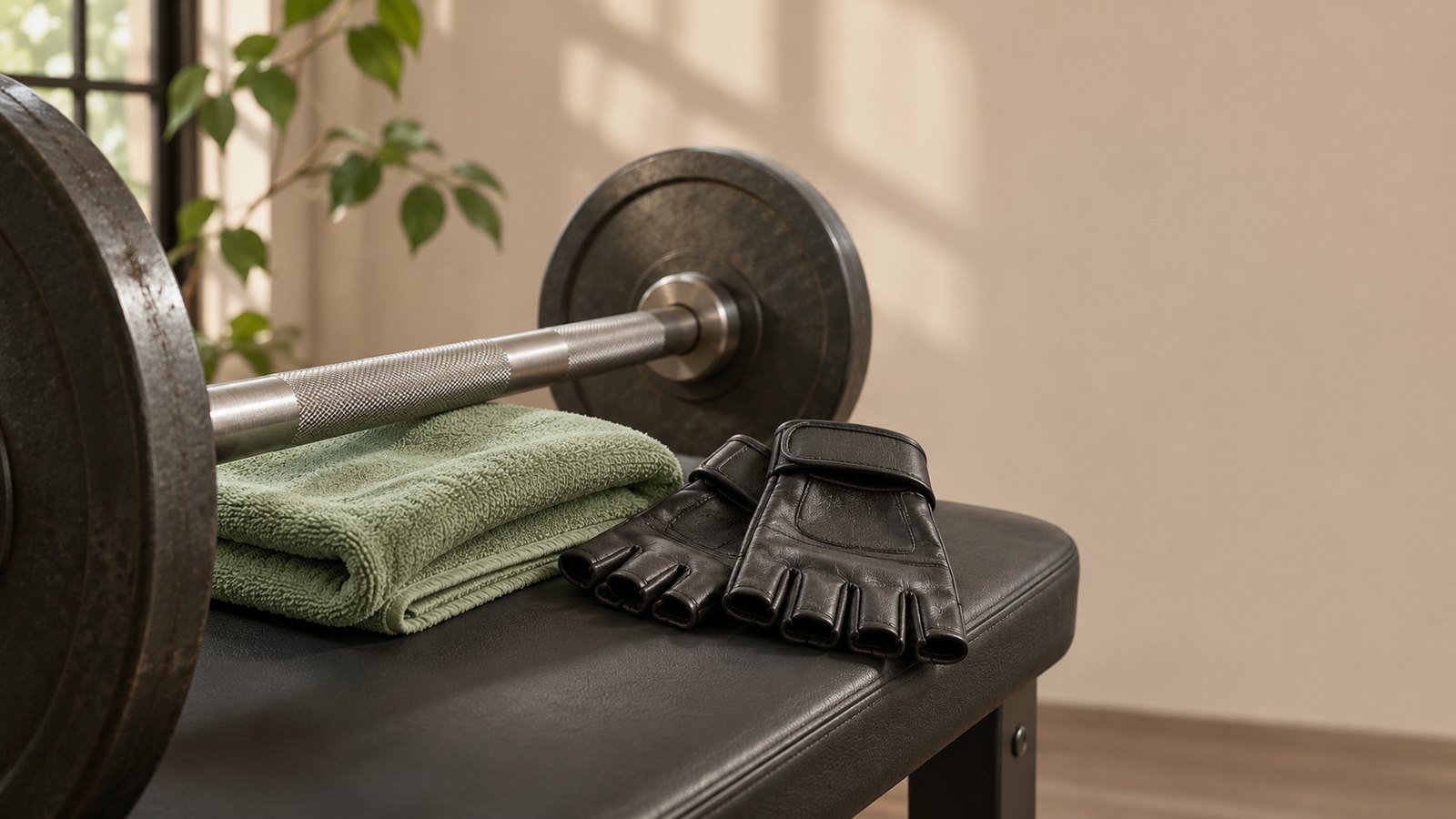
If you want to know how to prevent calluses from lifting, start by reducing repeated friction, considering protective gloves and caring gently for intact skin. MedlinePlus identifies pressure and friction as the cause, while the American Academy of Dermatology recommends gentle care rather than aggressive removal. A painful split or bleeding tear deserves a different response from a harmless rough patch. Your palms are training equipment, not proof that you suffered correctly.
Your deadlift has a spreadsheet. Your hands have a neglected tube of something in the car and a policy of hoping for the best. An ambitious division of resources.
Hand care for lifting does not need to become another hobby. The useful question is whether you are dealing with intact thickened skin, an irritated area that keeps rubbing, or an actual wound. Those are different decisions. Buying a more impressive balm does not answer all three.
Why do you get calluses from lifting?
A callus is a protective thickening that develops where skin repeatedly encounters pressure or friction. It can appear on the hands, and the NHS specifically lists lifting heavy weights among the activities associated with calluses. The bar is not making a moral judgment about your commitment. Skin is responding to contact.
That distinction matters because a little texture does not automatically require demolition. MedlinePlus describes calluses as usually minor problems, although they can become painful or bleed. Our practical goal is comfortable, intact hands, not palms polished to the standard of a luxury handbag campaign.
Look at the problem before selecting a solution. Is it a stable patch that does not bother you? Does one area catch or hurt during a particular exercise? Has the surface actually opened? Note what happens and when. That is a more useful starting point for a coach or clinician than announcing that your hands are simply “built different.”
For the broader routine around training, start with our skincare guide for men who work out. This is the small, practical hand-care department of that plan.
How do you prevent calluses from lifting without overcomplicating it?
Reduce the repeated rubbing where possible. MedlinePlus recommends gloves for friction-producing activities, including weightlifting. That supports trying a protective barrier; it does not establish that a particular glove brand prevents every callus or makes you lift more safely.
If you try gloves, choose them for the task and your fit preferences, following the manufacturer's sizing and care guidance. Treat comfort as something to assess, not something an online star rating can promise. An accessory that looks excellent on a product page still has to work with your hands and equipment.
You can also ask a qualified coach to watch your setup if one movement repeatedly bothers the same spot. That is an editorial suggestion to investigate the source of the rubbing, not a universal grip correction. We are not prescribing a new deadlift technique from a photograph of your palm.
The larger point is wonderfully unglamorous: address the contact that causes trouble before shopping for increasingly theatrical ways to remove its consequences. Your bathroom does not need to become the repair shop for a training problem nobody has examined.
Should you file, moisturize or cut a lifting callus?
Cutting is the easy one: the NHS advises against cutting off corns or calluses yourself. Leave blades out of the home routine. This is hand care, not a very small woodworking project.
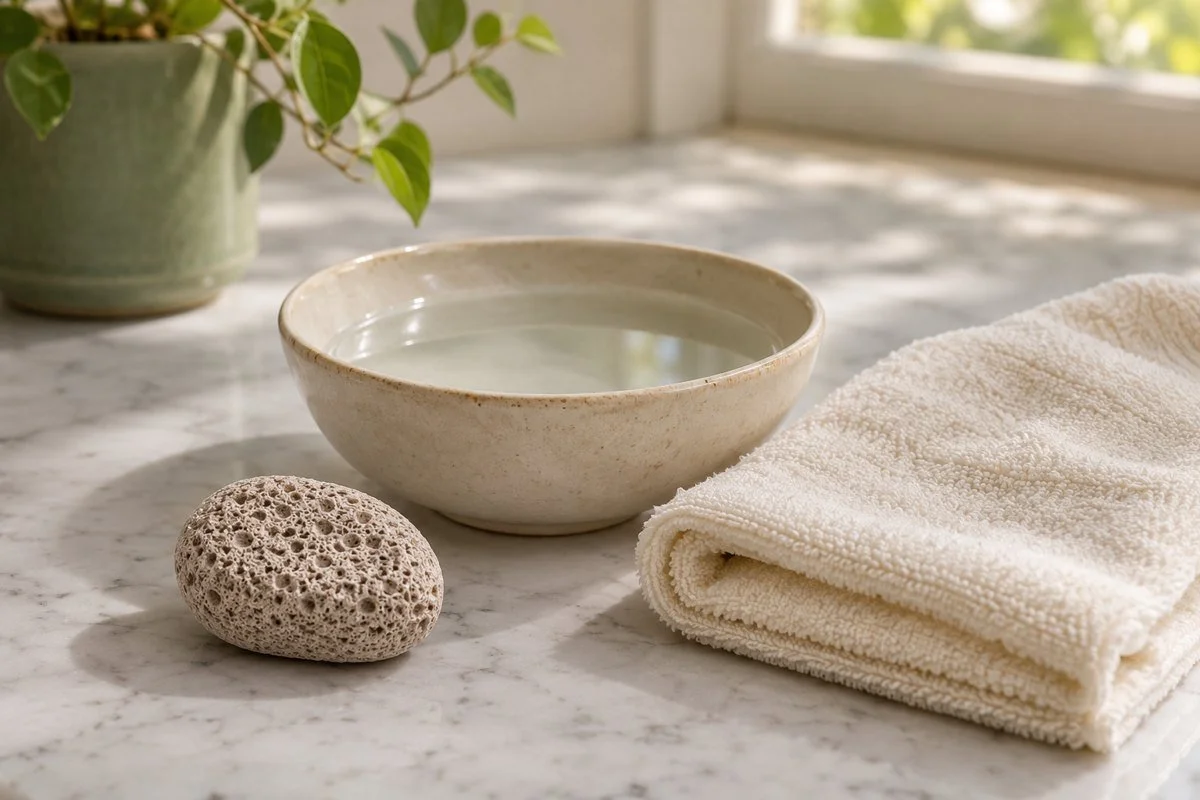
For an intact callus, AAD guidance describes softening it in warm water, gently using a pumice stone and avoiding excessive removal, which can cause bleeding and infection. It also recommends moisturizing. Gentle is the operative word, not an ornamental adjective you discard once the file comes out.
Do not turn smoothness into a finish line. The moment a routine starts sounding like “just a little more,” remember that the goal is a hand you can comfortably use. You do not need a new maintenance ritual that itself becomes the evening's sporting event.
The same AAD guide discusses ingredients such as urea for softening thickened skin, but a treatment ingredient is not an instruction to apply every exfoliant you own. If you are unsure what the patch is, have very painful skin or have diabetes, AAD recommends seeing a dermatologist. Ask for individual advice rather than improvising with a foot treatment on an injured palm.
Which hand-care purchases actually earn their place?
These are researched picks, not products Jeremy has tested for this article. Prices were checked November 6, 2026, in U.S. dollars, before tax and shipping. Buy only the category you need; a suitable moisturizer you already own may be enough.
Is a plain moisturizer enough for the everyday part?
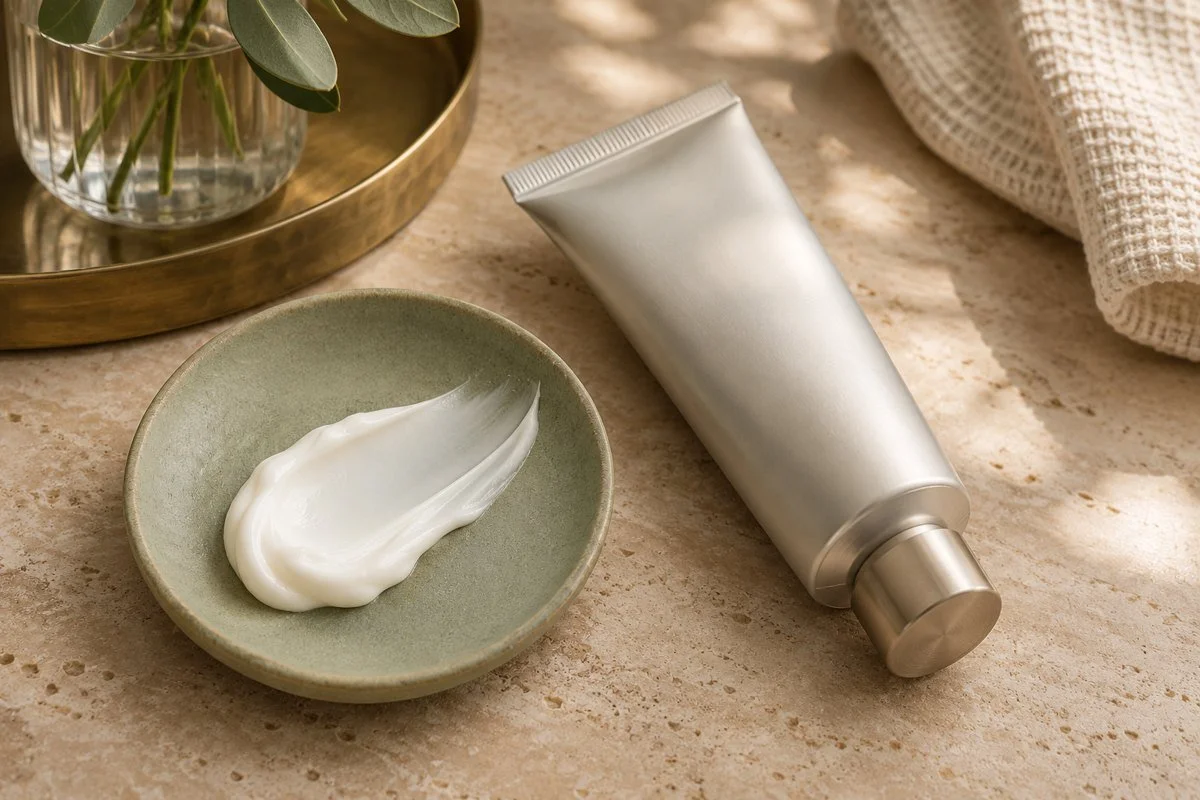
Vanicream Moisturizing Cream, 4 oz. Researched pick. Hull Dermatology & Aesthetics lists the tube as Vanicream Skin Cream at $11.96. The manufacturer's ingredient list and directions identify a fragrance-free cream containing petrolatum and describe use on the hands as well as the face and body.
Why it belongs: a straightforward option for the moisturizing part of the routine, without asking you to purchase a separate “athlete” identity in a jar. Its limitation is equally useful: this is not a callus-removal treatment or a substitute for assessing an open wound. The generic cream illustration above is not a photograph of the product.
Are lifting gloves worth considering?
Harbinger Training Grip Gloves 3.0 Mens. Researched pick. The Harbinger product page lists $29.99 per pair, with a padded leather palm and adjustable wrist closure. Check the available size and color before ordering.
Why they belong: an optional way to try the protective-glove approach in the general medical guidance. Limitation: we have not tested their fit, durability or effect on calluses, and the brand's performance language is not independent clinical evidence. Do not buy a pair merely because the article contains a button. The button has no authority over your budget.
What changes if a callus tears or starts bleeding?
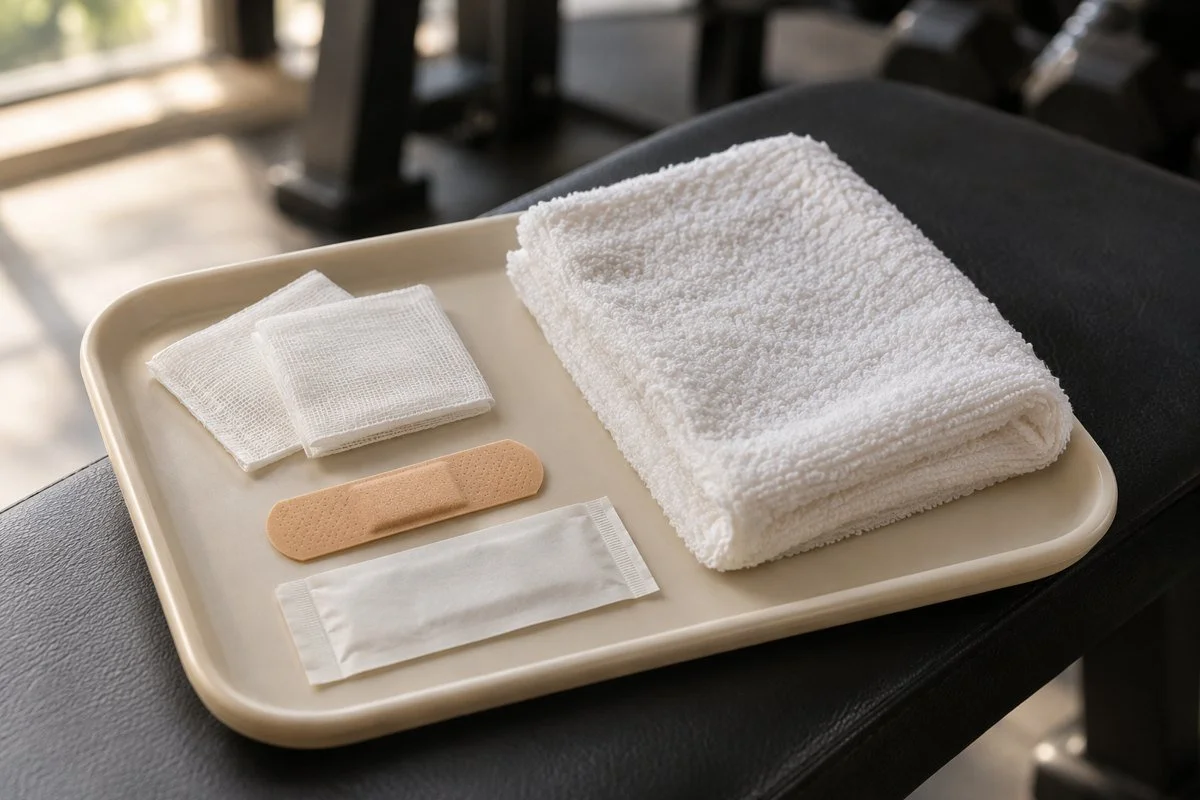
Stop treating it as an exfoliation problem. For a minor skin wound, the AAD's minor-cut guidance recommends gentle cleaning, pressure to control bleeding, petroleum jelly and a sterile covering. It advises changing the dressing daily and seeking urgent attention for a deep wound or bleeding that will not stop.
That is general minor-wound guidance, not permission to self-treat every gym injury. A substantial tear, an uncertain wound or pain that prevents normal activity deserves professional assessment. The NHS flags bleeding, discharge, severe pain and failure to improve as reasons to seek medical help for suspected calluses.
If an area becomes increasingly red, swollen or painful, or develops pus, AAD advises contacting a clinician. A photograph for the group chat is not that consultation. Neither is an enthusiastic comment explaining that everyone gets these.
Our editorial recommendation is to plan the next session around protecting the healing area, with professional guidance when needed, instead of asking a dressing to make an injury disappear. There is no prize for converting a small problem into a recurring subplot.
What belongs in the routine after that?
Keep the plan boring enough to repeat: notice troublesome contact, care gently for intact skin, and treat an injury as an injury. Keep any supplies you use easy to find. A moisturizer hidden under three expired travel bottles is technically owned and functionally missing.
Our gym-bag skincare edit takes the same approach to unnecessary equipment. If cold weather has made the rest of your routine less comfortable, the fall skincare guide covers that separate problem. Your hands can have a plan without acquiring a subscription box.
FAQ
Are calluses from lifting always bad?
No: MedlinePlus describes the thickening as a protective response. Pain, bleeding or persistent irritation changes the decision and deserves attention.
Can you cut off a callus at home?
The NHS says not to cut calluses yourself. Keep sharp removal tools out of the routine.
Do gloves guarantee callus-free hands?
MedlinePlus recommends protective gloves to help prevent friction-related calluses, not as a guarantee. Our glove selection is a researched option, not a tested promise.
When should a clinician look at it?
MedlinePlus advises assessment for persistent pain, redness, warmth or drainage. Do not keep escalating home removal when the area is worsening.
Educational information, not an individual diagnosis or treatment plan. Illustrations depict generic objects, not tested products or patient results; prices and availability may change.
Sources
- MedlinePlus: Corns and calluses, reviewed April 2025.
- NHS: Corns and calluses, reviewed July 2026.
- AAD: How to treat corns and calluses, accessed November 2026.
- AAD: How to treat minor cuts, updated February 2022.
- Vanicream: Moisturizing Cream, accessed November 2026.
- Hull Dermatology & Aesthetics: Vanicream Skin Cream 4 oz, price checked November 6, 2026.
- Harbinger: Training Grip Gloves 3.0 Mens, price checked November 6, 2026.